
Showing posts with label rental properties. Show all posts

Thursday, 7 December 2023

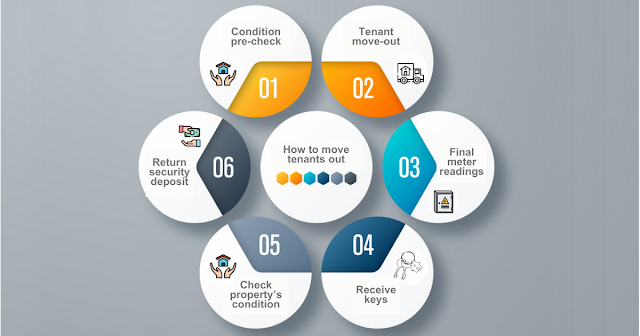
How to move tenants out

There are a variety of things that should be carried out when a tenant vacates their rental property in addition to the obvious - getting the keys back! Unlike when starting a tenancy there aren’t many legal requirements at this final stage of the tenancy, but there are a few things that should be done to help ensure it’s a smooth process. 

Just like at the move-in, here at CRJ Lettings we use a checklist to ensure nothing gets forgotten. Final meter readings and a forwarding address for the departing tenants are taken, meaning the utility providers can receive the correct details so as to send the tenants their final bills. This should stop any debate over who owes what, as the date and meter readings will be documented for both parties (a copy of the checklist is both retained and provided to the tenants).

It’s then time to receive back the keys and check over the condition of the property. This is when it becomes so important to have had a thorough inventory (with photos) in place at the start of the tenancy. Most people’s memory simply isn’t good enough to remember every imperfection that existed (sometimes years before)! It also ensures the process is fair to the tenants; providing proof of any discrepancies, whilst ensuring they aren’t made responsible for something that wasn’t their doing.

My top tip for landlords would be to visit the property a few days before the move-out date to undertake a ‘pre-check’ with the tenants. This basically means inspecting the property and telling the tenants anything that might be an issue in regards to the full return of their security deposit.

This then gives the tenants an opportunity to remedy any issues prior to the actual move-out appointment. Assuming they take this advice on board, it’s good for me as I’ll be able to re-let the property promptly without having to arrange repairs. Moreover, it’s good for the tenants as they won’t have monies unnecessarily deducted from their security deposit (and if they don’t remedy the issues highlighted to them, they can’t say they weren’t warned or given the opportunity to make things right).

If there are any issues that remain when the tenants move-out (subject to fair wear and tear) this should be pointed out to them, noted and discussed in regards to the best way of resolving matters. This is why I recommend tenants are present when checking the property; so that any issues can be raised immediately and the course of action mutually agreed.

This process (including the ‘pre-check’) should ensure the tenants are aware of their responsibilities, are able to return the property in the required condition to receive most, if not all, of their security deposit back and it should minimise any void periods caused by having to put things right.

If you’d like a free copy of my ‘move-out checklist’ please contact me and I’ll be happy to send it to you via e-mail.  


This article was featured in...


Thursday, 23 November 2023

How to move tenants in

As a landlord and letting agent it is crucial to have processes in place to ensure you not only provide a consistently good service, but that all the legal stuff is taken care of. The move-in process I created can be a pretty mundane hour or so of paperwork checking, contract signing and multiple page initialling! But, it’s crucially important that all the i’s are dotted and the t’s are crossed to ensure the tenancy gets off to the right start. Done properly, it will also mean a tenant is fully-equipped to enjoy their new home, whilst keeping it in good order for the landlord.

Here at CRJ Lettings we use a ‘move-in checklist’ to ensure nothing is missed; starting with the paperwork. The tenants sign the tenancy agreement (sent to them in advance so they can read it first), along with the security deposit certificate and prescribed information forms.

The tenants are then shown where the water stop tap, gas safety valve, fuse box and mains isolator switches are and what to do in case of an emergency. Showing tenants these is both crucial for their safety, as well as helping to minimise any damage to the property (for instance, in the case of a water leak). Meter readings are taken too and the tenants are shown any communal areas of the property, along with how the heating system and kitchen appliances work.

Just in case the tenants forget any of this important information though, they are provided with a house manual (prepared for our fully managed properties). This lists the location and operation of all the above, as well as setting out other general tips about good home management, along with all the contact details they’ll need throughout the tenancy. It also contains the property’s safety certificates and EPC, as well as the governments ‘How to Rent’ guide, as legally required (all of which are e-mailed to the tenants prior to the commencement of the tenancy).

The last bit of paperwork to go through is the inventory, which outlines the condition of the property and forms the basis of how it should be returned at the end of their tenancy. Fortunately, the tenants are given seven days to look through this beast of a document (typically 50+ pages) to report any errors or omissions.

Finally, the keys are distributed to the tenants and any other questions can be answered. It’s also a good opportunity to explain when they’ll next be contacted in regards to the receipt of rent and future check-ups.


The completed ‘move-in checklist’ also provides proof that all the legal requirements have been completed (including showing the tenants a working smoke alarm on each floor of the property and a carbon monoxide alarm, if required).

A thorough move-in process creates a good start to the relationship and helps to ensure the landlord is legally compliant, whilst the tenants are aware of everything they need to know about the property and tenancy. 

If you’d like a free copy of my ‘move-in checklist’ please contact me and I’ll be happy to send it to you via e-mail.


This article was featured in...


Thursday, 3 February 2022

How to move tenants out

There are a variety of things that should be carried out when a tenant vacates their rental property in addition to the obvious - getting the keys back! Unlike when starting a tenancy there aren’t many legal requirements at this final stage of the tenancy, but there are a few things that should be done to help ensure it’s a smooth process. 

Just like at the move-in, here at CRJ Lettings we use a checklist to ensure nothing gets forgotten. Final meter readings and a forwarding address for the departing tenants are taken, meaning the utility providers can receive the correct details so as to send the tenants their final bills. This should stop any debate over who owes what, as the date and meter readings will be documented for both parties (a copy of the checklist is both retained and provided to the tenants).

It’s then time to receive back the keys and check over the condition of the property. This is when it becomes so important to have had a thorough inventory (with photos) in place at the start of the tenancy. Most people’s memory simply isn’t good enough to remember every imperfection that existed (sometimes years before)! It also ensures the process is fair to the tenants; providing proof of any discrepancies, whilst ensuring they aren’t made responsible for something that wasn’t their doing.

My top tip for landlords would be to visit the property a few days before the move-out date to undertake a ‘pre-check’ with the tenants. This basically means inspecting the property and telling the tenants anything that might be an issue in regards to the full return of their security deposit.

This then gives the tenants an opportunity to remedy any issues prior to the actual move-out appointment. Assuming they take this advice on board, it’s good for me as I’ll be able to re-let the property promptly without having to arrange repairs. Moreover, it’s good for the tenants as they won’t have monies unnecessarily deducted from their security deposit (and if they don’t remedy the issues highlighted to them, they can’t say they weren’t warned or given the opportunity to make things right).

If there are any issues that remain when the tenants move-out (subject to fair wear and tear) this should be pointed out to them, noted and discussed in regards to the best way of resolving matters. This is why I recommend tenants are present when checking the property; so that any issues can be raised immediately and the course of action mutually agreed.

This process (including the ‘pre-check’) should ensure the tenants are aware of their responsibilities, are able to return the property in the required condition to receive most, if not all, of their security deposit back and it should minimise any void periods caused by having to put things right.

If you’d like a free copy of my ‘move-out checklist’ please contact me and I’ll be happy to send it to you via e-mail.  


This article was featured in...


Thursday, 20 January 2022

How to move tenants in

As a landlord and letting agent it is crucial to have processes in place to ensure you not only provide a consistently good service, but that all the legal stuff is taken care of. The move-in process I created can be a pretty mundane hour or so of paperwork checking, contract signing and multiple page initialling! But, it’s crucially important that all the i’s are dotted and the t’s are crossed to ensure the tenancy gets off to the right start. Done properly, it will also mean a tenant is fully-equipped to enjoy their new home, whilst keeping it in good order for the landlord.

Here at CRJ Lettings we use a ‘move-in checklist’ to ensure nothing is missed; starting with the paperwork. The tenants sign the tenancy agreement (sent to them in advance so they can read it first), along with the security deposit certificate and prescribed information forms.

The tenants are then shown where the water stop tap, gas safety valve, fuse box and mains isolator switches are and what to do in case of an emergency. Showing tenants these is both crucial for their safety, as well as helping to minimise any damage to the property (for instance, in the case of a water leak). Meter readings are taken too and the tenants are shown any communal areas of the property, along with how the heating system and kitchen appliances work.

Just in case the tenants forget any of this important information though, they are provided with a house manual (prepared for our fully managed properties). This lists the location and operation of all the above, as well as setting out other general tips about good home management, along with all the contact details they’ll need throughout the tenancy. It also contains the property’s safety certificates and EPC, as well as the governments ‘How to Rent’ guide, as legally required (all of which are e-mailed to the tenants prior to the commencement of the tenancy).

The last bit of paperwork to go through is the inventory, which outlines the condition of the property and forms the basis of how it should be returned at the end of their tenancy. Fortunately, the tenants are given seven days to look through this beast of a document (typically 50+ pages) to report any errors or omissions.

Finally, the keys are distributed to the tenants and any other questions can be answered. It’s also a good opportunity to explain when they’ll next be contacted in regards to the receipt of rent and future check-ups.


The completed ‘move-in checklist’ also provides proof that all the legal requirements have been completed (including showing the tenants a working smoke alarm on each floor of the property and a carbon monoxide alarm, if required).

A thorough move-in process creates a good start to the relationship and helps to ensure the landlord is legally compliant, whilst the tenants are aware of everything they need to know about the property and tenancy. 

If you’d like a free copy of my ‘move-in checklist’ please contact me and I’ll be happy to send it to you via e-mail.


This article was featured in...


Thursday, 1 October 2020

How to move tenants out

There are a variety of things that should be carried out when a tenant vacates their rental property in addition to the obvious - getting the keys back! Unlike when starting a tenancy there aren’t many legal requirements at this final stage of the tenancy, but there are a few things that should be done to help ensure it’s a smooth process. 

Just like at the move-in, here at CRJ Lettings we use a checklist to ensure nothing gets forgotten. Final meter readings and a forwarding address for the departing tenants are taken, meaning the utility providers can receive the correct details so as to send the tenants their final bills. This should stop any debate over who owes what, as the date and meter readings will be documented for both parties (a copy of the checklist is both retained and provided to the tenants).

It’s then time to receive back the keys and check over the condition of the property. This is when it becomes so important to have had a thorough inventory (with photos) in place at the start of the tenancy. Most people’s memory simply isn’t good enough to remember every imperfection that existed (sometimes years before)! It also ensures the process is fair to the tenants; providing proof of any discrepancies, whilst ensuring they aren’t made responsible for something that wasn’t their doing.

My top tip for landlords would be to visit the property a few days before the move-out date to undertake a ‘pre-check’ with the tenants. This basically means inspecting the property and telling the tenants anything that might be an issue in regards to the full return of their security deposit.

This then gives the tenants an opportunity to remedy any issues prior to the actual move-out appointment. Assuming they take this advice on board, it’s good for me as I’ll be able to re-let the property promptly without having to arrange repairs. Moreover, it’s good for the tenants as they won’t have monies unnecessarily deducted from their security deposit (and if they don’t remedy the issues highlighted to them, they can’t say they weren’t warned or given the opportunity to make things right).

If there are any issues that remain when the tenants move-out (subject to fair wear and tear) this should be pointed out to them, noted and discussed in regards to the best way of resolving matters. This is why I recommend tenants are present when checking the property; so that any issues can be raised immediately and the course of action mutually agreed.

This process (including the ‘pre-check’) should ensure the tenants are aware of their responsibilities, are able to return the property in the required condition to receive most, if not all, of their security deposit back and it should minimise any void periods caused by having to put things right.

If you’d like a free copy of my ‘move-out checklist’ please contact me and I’ll be happy to send it to you via e-mail.


This article was featured in...


Thursday, 24 September 2020

How to move tenants in


As a landlord and letting agent it is crucial to have processes in place to ensure you not only provide a consistently good service, but that all the legal stuff is taken care of. The move-in process I created can be a pretty mundane hour or so of paperwork checking, contract signing and multiple page initialling! But, it’s crucially important that all the i’s are dotted and the t’s are crossed to ensure the tenancy gets off to the right start. Done properly, it will also mean a tenant is fully-equipped to enjoy their new home, whilst keeping it in good order for the landlord. 


Here at CRJ Lettings we use a ‘move-in checklist’ to ensure nothing is missed; starting with the paperwork. The tenants sign the tenancy agreement (sent to them in advance so they can read it first), along with the security deposit certificate and prescribed information forms. 


The tenants are then shown where the water stop tap, gas safety valve, fuse box and mains isolator switches are and what to do in case of an emergency. Showing tenants these is both crucial for their safety, as well as helping to minimise any damage to the property (for instance, in the case of a water leak). Meter readings are taken too and the tenants are shown any communal areas of the property, along with how the heating system and kitchen appliances work. 


Just in case the tenants forget any of this important information though, they are provided with a house manual (prepared for our fully managed properties). This lists the location and operation of all the above, as well as setting out other general tips about good home management, along with all the contact details they’ll need throughout the tenancy. It also contains the property’s safety certificates and EPC, as well as the governments ‘How to Rent’ guide, as legally required (all of which are e-mailed to the tenants prior to the commencement of the tenancy). 


The last bit of paperwork to go through is the inventory, which outlines the condition of the property and forms the basis of how it should be returned at the end of their tenancy. Fortunately, the tenants are given seven days to look through this beast of a document (typically 50+ pages) to report any errors or omissions. 


Finally, the keys are distributed to the tenants and any other questions can be answered. It’s also a good opportunity to explain when they’ll next be contacted in regards to the receipt of rent and future check-ups. 


The completed ‘move-in checklist’ also provides proof that all the legal requirements have been completed (including showing the tenants a working smoke alarm on each floor of the property and a carbon monoxide alarm, if required). 


A thorough move-in process creates a good start to the relationship and helps to ensure the landlord is legally compliant, whilst the tenants are aware of everything they need to know about the property and tenancy 


If you’d like a free copy of my ‘move-in checklist’ please contact me and I’ll be happy to send it to you via e-mail. 


This article was featured in...


lateest Newsletter Latest Newsletter Subscribe Valuation Facebook LinkedIn Twitter Blogger Website